


Risk Capacity vs. Risk Tolerance in Real Time
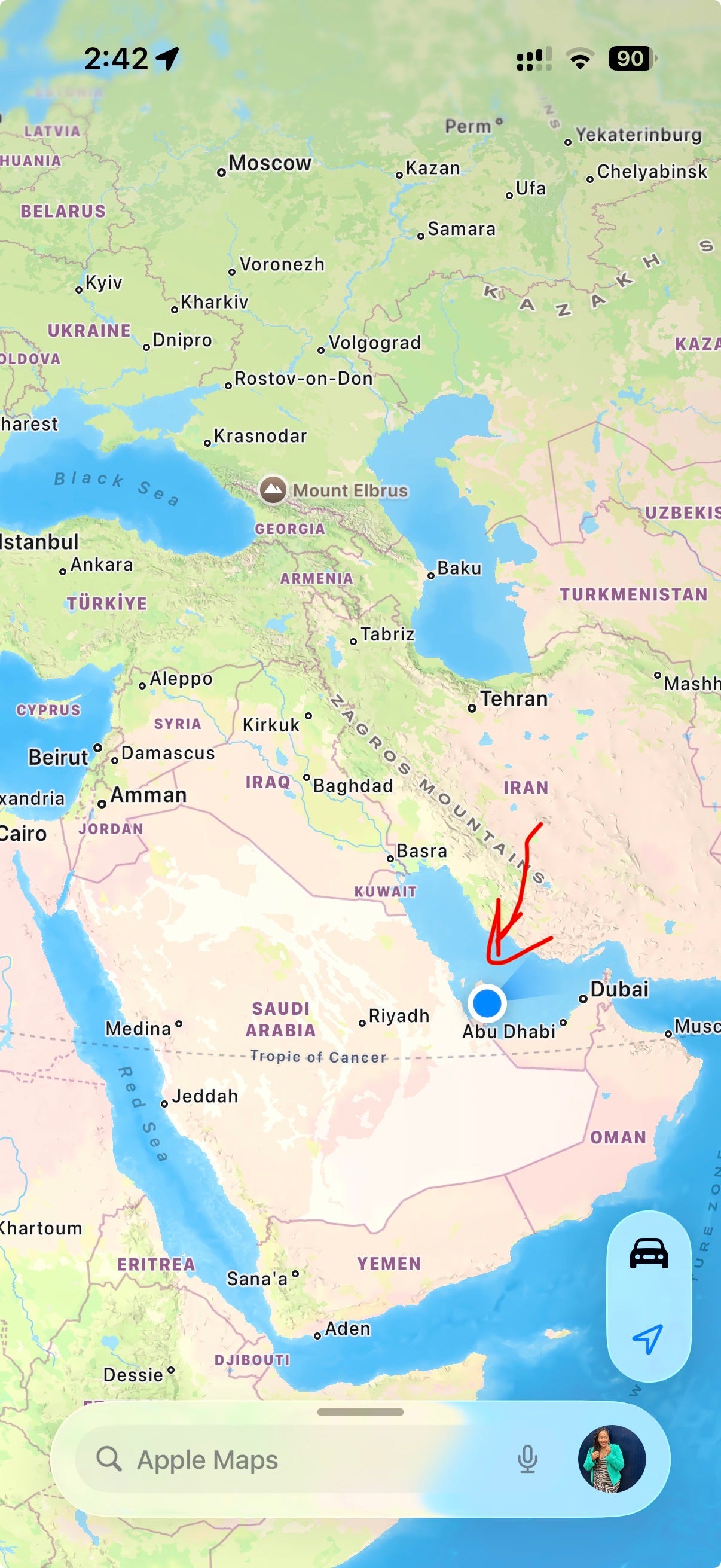
As I write this, I am sitting in Doha… the city I call home.
Over the past 36 hours, this region has experienced retaliatory strikes following escalating tensions between the U.S., Israel, and Iran. Missiles. Drones. Airspace closures. Alerts.


The kind of headlines that make people text you
“Are you safe?”
“Are you leaving?”
“Is this it?”
And here is the part that may surprise some people:
I have not considered leaving for good. Maybe temporarily for a few weeks until things settle down.
Not because I’m reckless.
Not because I’m unaware.
Not because I think risk doesn’t exist.
But because this is exactly where the Global Citizens Framework becomes real.
Risk Tolerance vs. Risk Capacity
In the framework, I distinguish between two very different concepts:
Risk tolerance is emotional.
It’s how much discomfort you can handle before you react.
Risk capacity is structural.
It’s what your life, systems, and environment can actually withstand.
Both involve risk.
But they are not the same.
When missiles fly, tolerance reacts first.
Your nervous system spikes.
The news cycle amplifies.
Your phone lights up.
But capacity asks a different question:
What is structurally true here?
Do we have safety protocols?
Do we have infrastructure?
Do we have community?
Do we have financial mobility if needed?
Do we understand the geopolitical context?
Have we made this decision from strength and not impulse?
Capacity holds the weight of uncertainty.
Tolerance simply measures discomfort.
The Safety Bubble Most People Don’t See
One of the things I discussed in a recent conversation is the one that shaped part of the framework and that was the concept of a “safety bubble.”
Even in a region experiencing military tension, there are layers of safety.
Physical infrastructure.
Government response.
Community coordination.
Personal contingency planning.
Financial readiness.
Emotional regulation.
When you’ve built your life intentionally, those layers exist.
That doesn’t eliminate risk.
It increases capacity.
And when capacity is strong, your tolerance doesn’t dictate your decisions.
Why I Haven’t Thought About Moving
Let me be clear:
If capacity were compromised, the decision would change.
But it hasn’t been.
My business is stable.
My family is steady.
We have mobility if needed.
We are informed and not reactive.
We are connected and not isolated.
And perhaps most importantly:
This move was never emotional.
We didn’t move to Doha because it looked good on Instagram.
We didn’t move because we were escaping something.
We moved because it aligned structurally with our goals at that time.
When you make a powerful decision from alignment, you don’t abandon it at the first sign of discomfort. You reassess through capacity. That is very different.
This Is Why Global Citizens Think Differently
Global life is not about chasing the safest country.
There is no such thing.
Every geography carries risk:
Political risk. Economic risk. Environmental risk. Social risk.
The United States carries risk. Europe carries risk. The Middle East carries risk.
The question is not:
“Where is safest?”
The question is:
“What level of risk aligns with my values and do I have the capacity to hold it?”
This is where many people confuse tolerance with wisdom.
If your tolerance is low and your capacity is low, you panic.
If your tolerance is low but your capacity is high, you pause.
If your tolerance is high but your capacity is low, you gamble.
If your tolerance is high and your capacity is high, you lead.
Global Optionality Is Not About Running
One of the biggest misconceptions about global life is that it’s about escape.
It’s not.
It’s about optionality.
Optionality requires:
Financial design
Legal understanding
Mobility pathways
Emotional steadiness
Long-term planning
If you don’t build those first, then every headline becomes destabilizing.
If you do build them, you can make decisions from strength.
That’s the difference between a powerful move and a reactive one.
Powerful Decisions Are Not Emotional Decisions
Right now, some people in Doha may decide to leave.
That may be aligned for them.
And there are people who will stay.
That may be aligned for them.
The point of the Global Citizens Framework is not to tell you what to do.
It’s to ensure that when you decide, you do so from capacity and not fear.
Risk tolerance fluctuates with the news cycle. Risk capacity is built intentionally.
And when you build it properly, you are not tossed by headlines.
You are anchored by structure.
Why This Matters
If you are considering living globally or already do, this is the real conversation.
Not “Where should I move?”
But:
What level of uncertainty can I hold?
What must be structurally true before I relocate?
Do I have the capacity to stay when discomfort rises?
Am I making this decision from expansion — or escape?
Global life is not about avoiding risk. It’s about understanding it.
Designing for it. Holding it.And choosing anyway with clarity.
That is Global Citizen energy. And it’s why the Global Citizens Framework matters.